 Heading east from Colorado, I normally “speed” through Kansas on I-70, stopping only for gas and eats. While heading to Ohio for a family wedding, I decided to add some travel time, allowing me to see Kansas via it’s back roads.
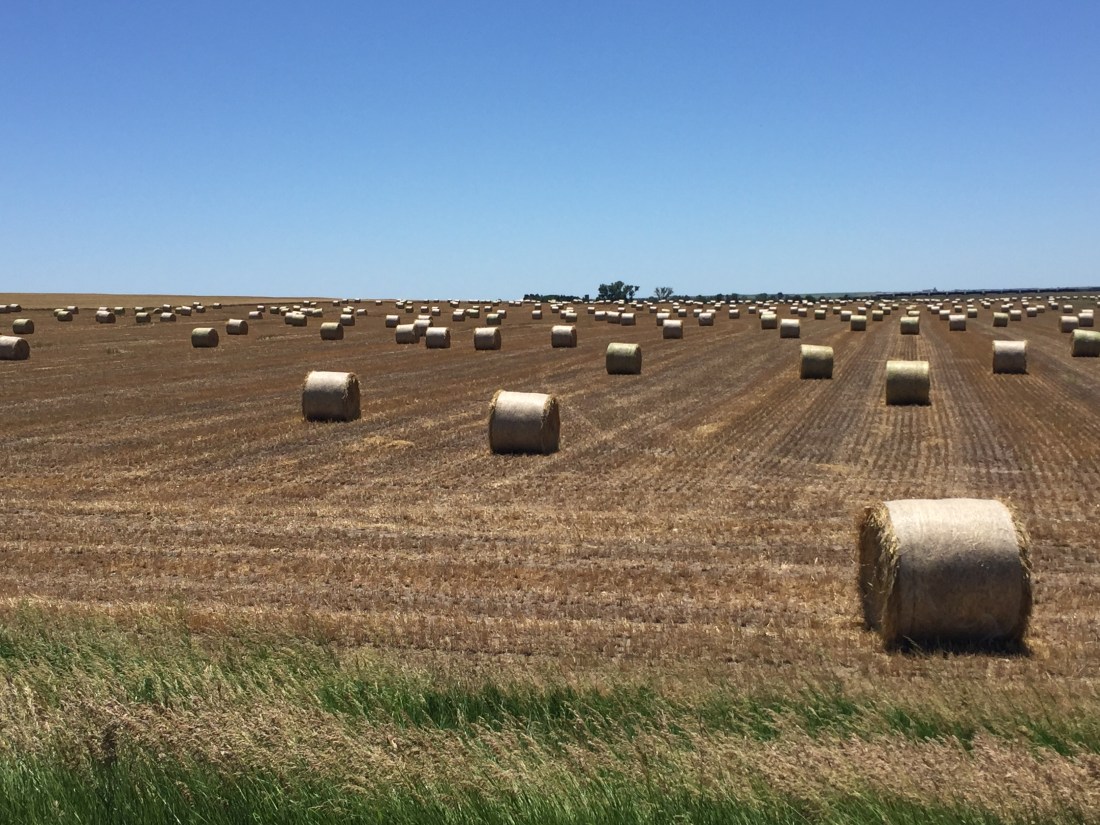
Most people think of Kansas as miles of flat land filled with fields of various crops. While this is generally an accurate picture, Kansas does offer some surprises.
A) Lake Scott State Park and Wildlife Area
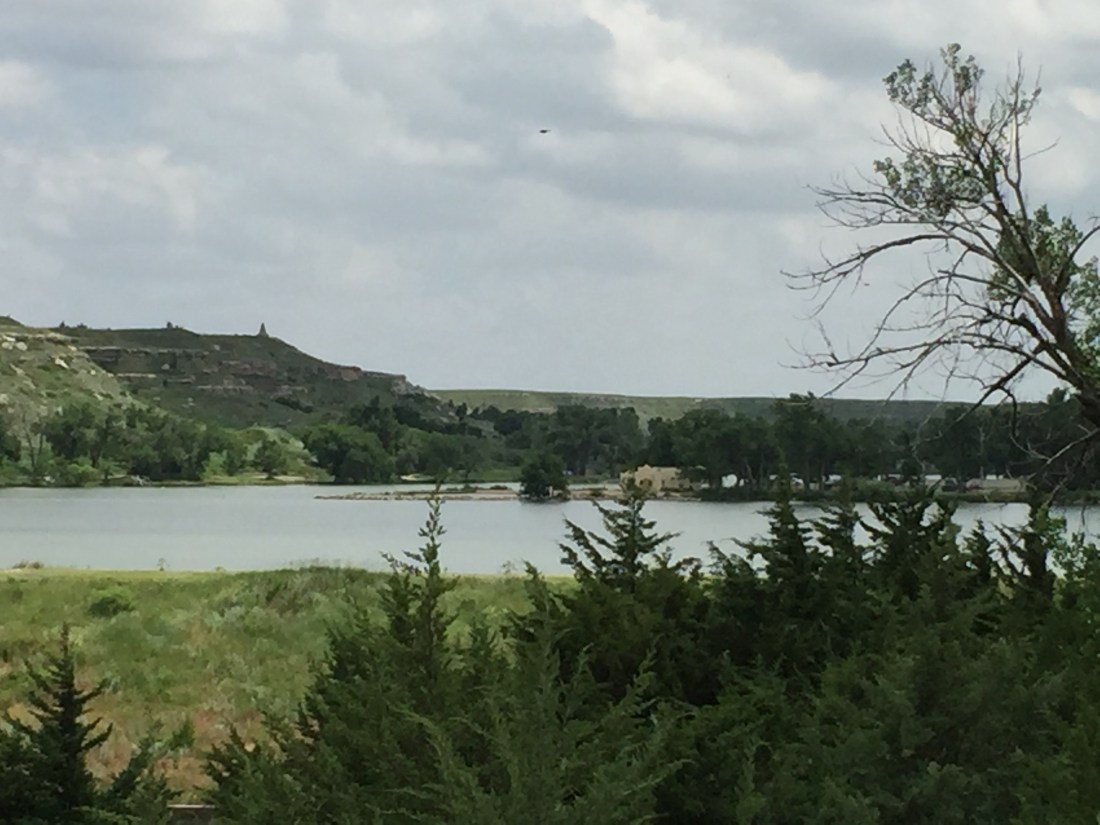
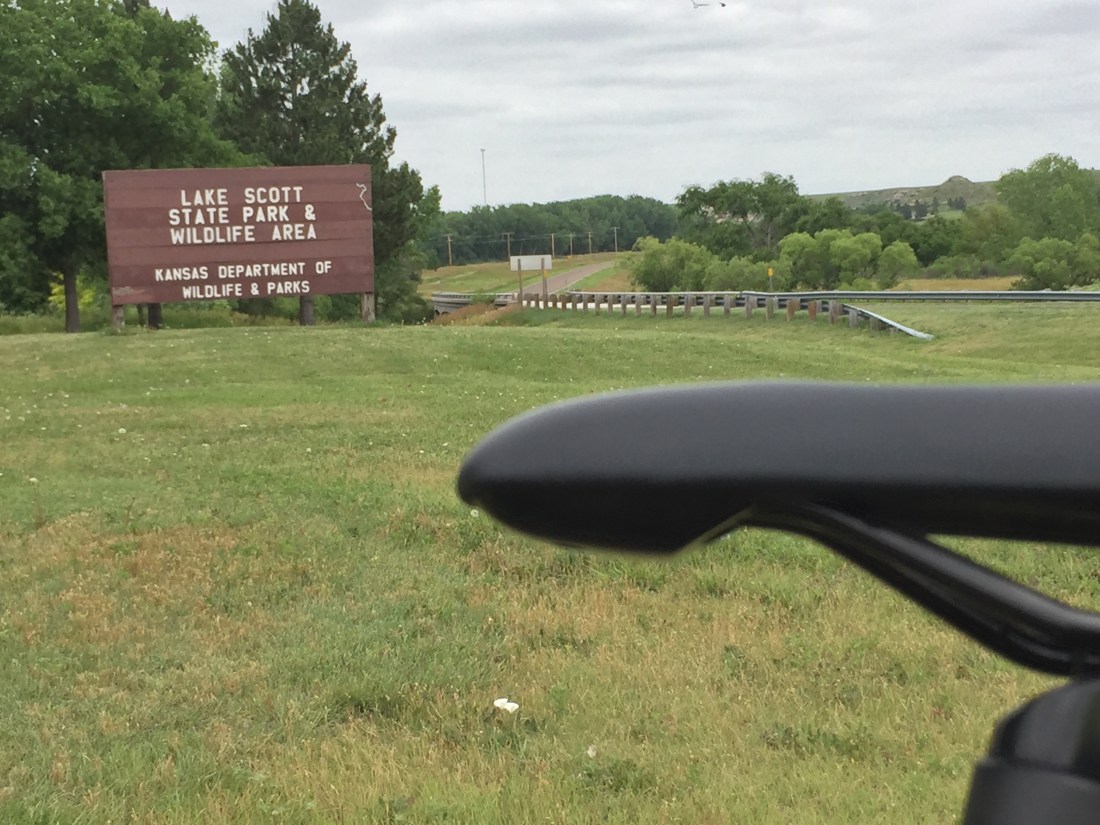 First stop was Lake Scott State Park which provides easy access to a number of areas of interest. The park has natural springs, deep wooded canyons and craggy bluffs. A 100 acre lake created by dam construction provides a great setting for boating, swimming, camping, fishing, and hiking /cycling.
Within (or near) the park are the Steele Homestead Museum, El Cuartelejo Indian Pueblo, and the Battle Site of Punished Woman’s Fork.
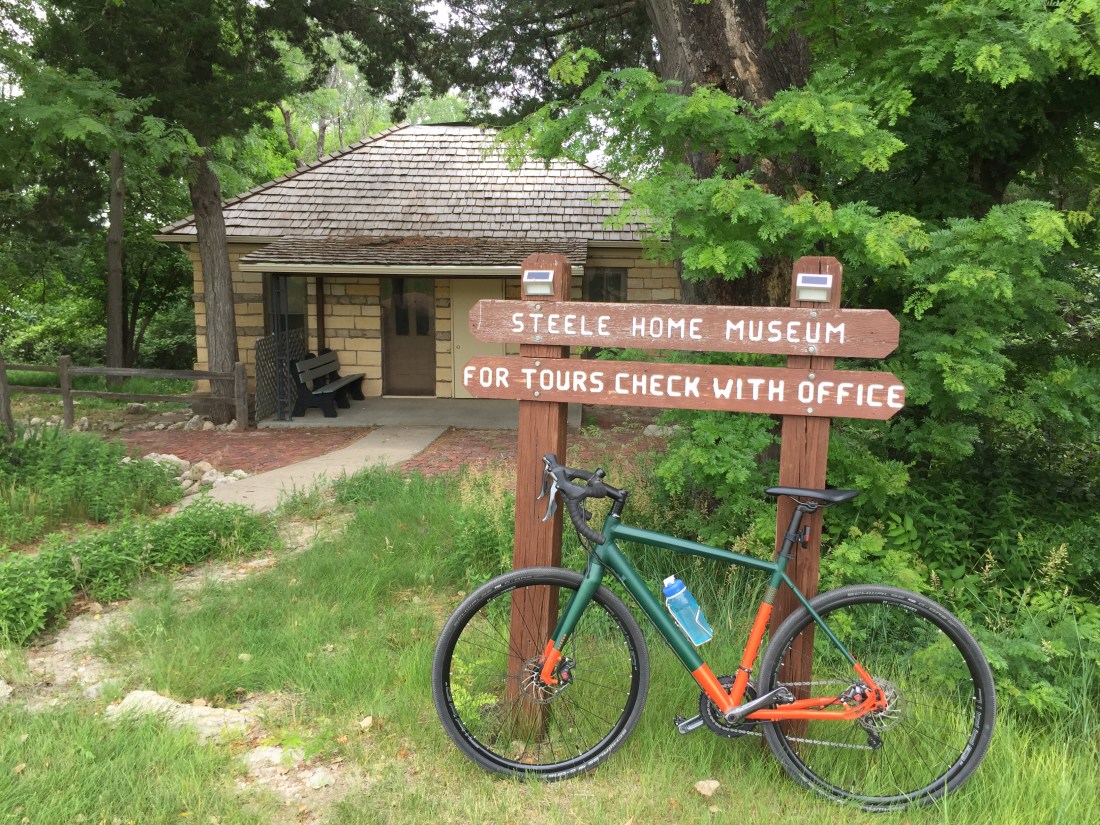
Steele Homestead Museum: Herbert Steele homesteaded the area in 1888 and the Steele home is preserved as a museum.
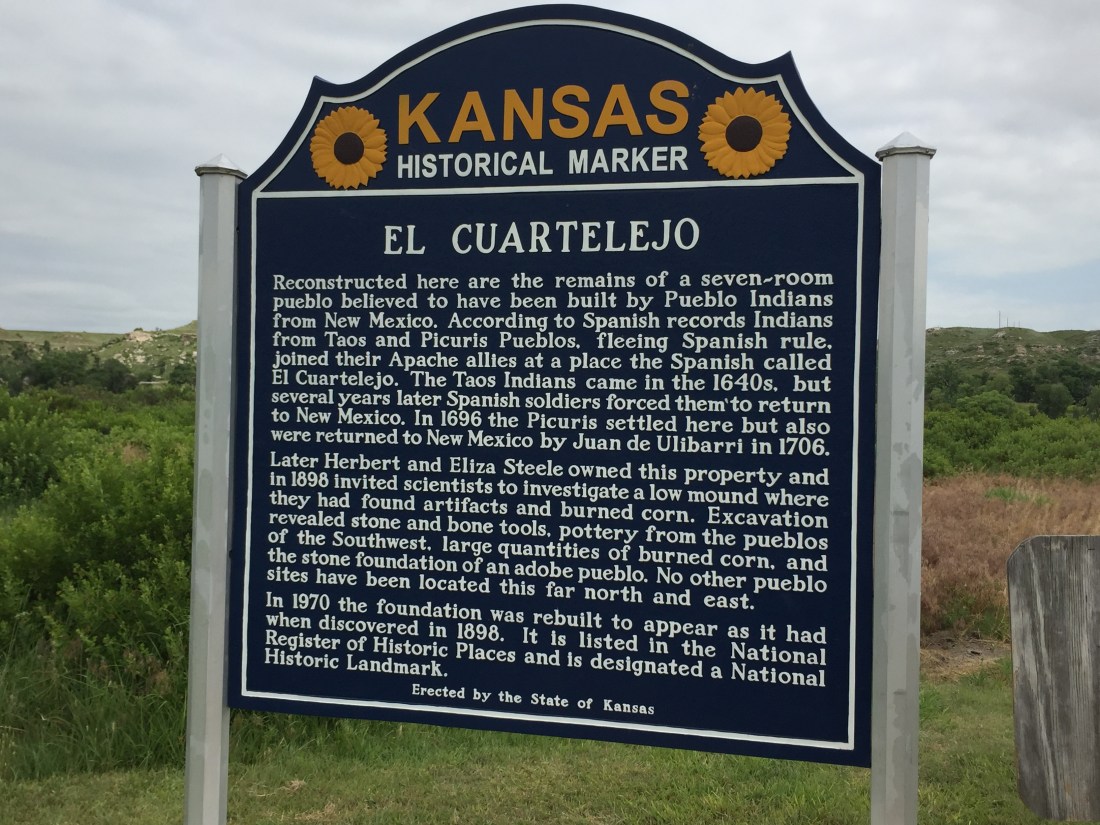
El Cuartelejo Indian Pueblo: In the 1600’s, A group of Taos Indians fled from Spanish rule and migrated to the park area. They constructed pueblos and lived in the area for around 20 years before returning to New Mexico. They settled with a band of Plains Apache. This is the the northernmost known pueblo in the United States.
The pueblos were abandoned and then later excavated, investigated and reconstructed by the Kansas State Historical Society. The present site allows a visitor to see the Pueblo’s reconstructed foundation.


The El Quartelejo Museum is located in Scott City, not far from the State Park. It offers many exhibits and artifacts that provide a glimpse of early Native American and Pioneer life.
The Battle of Punished Woman’s Fork: This battle was the last encounter of Native Americans with the U.S. Calvary in Kansas. A sad time in U.S. history. The Northern Cheyenne were sent to Oklahoma were there was little food and no buffalo and at the same time malaria ravaged the the tribe.
In 1878, a number of Northern Cheyenne escaped from the Oklahoma reservation with the goal of returning to their original home in Yellowstone Territory. They were led by Chief Dull Knife. The Calvary pursued and Dull knife picked a place called Punished Woman Fork to make a stand, as it offered a remote canyon with a natural cave at the end. The cave provided a sanctuary for the women and children. The battle was a stand-off with the Cheyenne slipping away during the darkness of night to resume their way toward the Yellowstone.
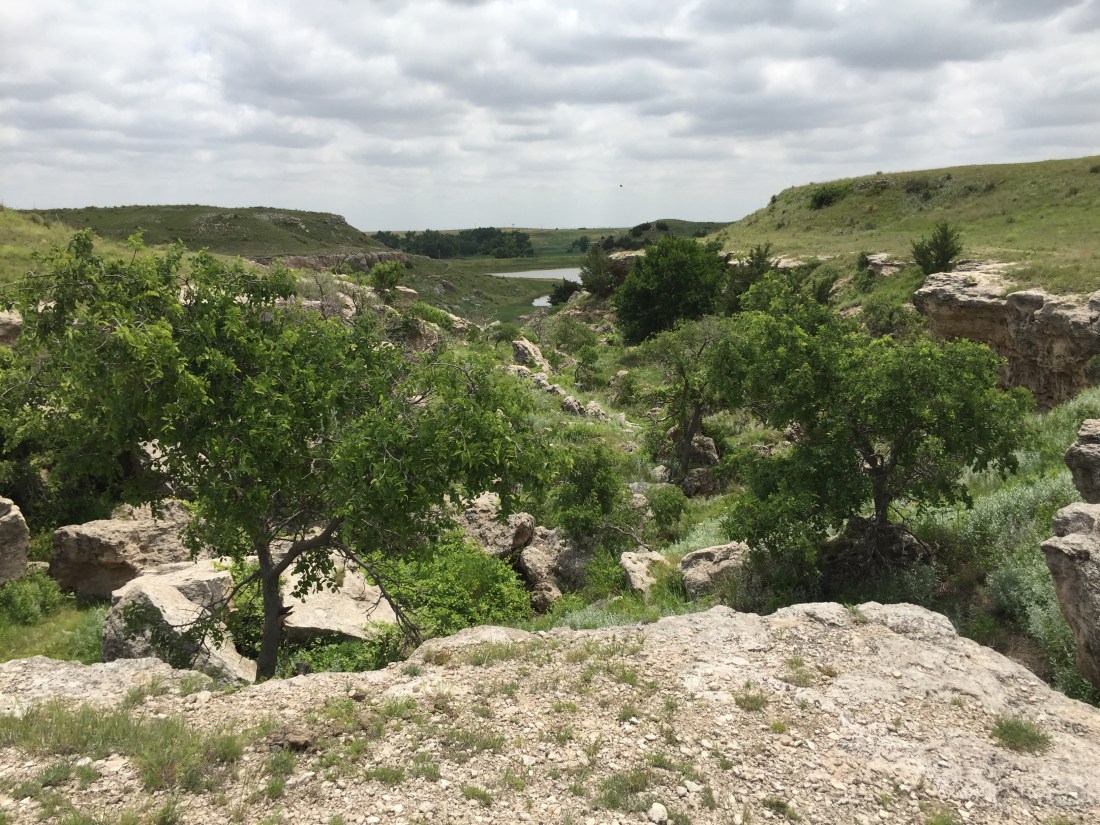
View of the Canyon:
Entry to the battle area and a monument highlighting the battle:


Cave at end of canyon:


Cheyenne Rifle Pits locations are still visible:
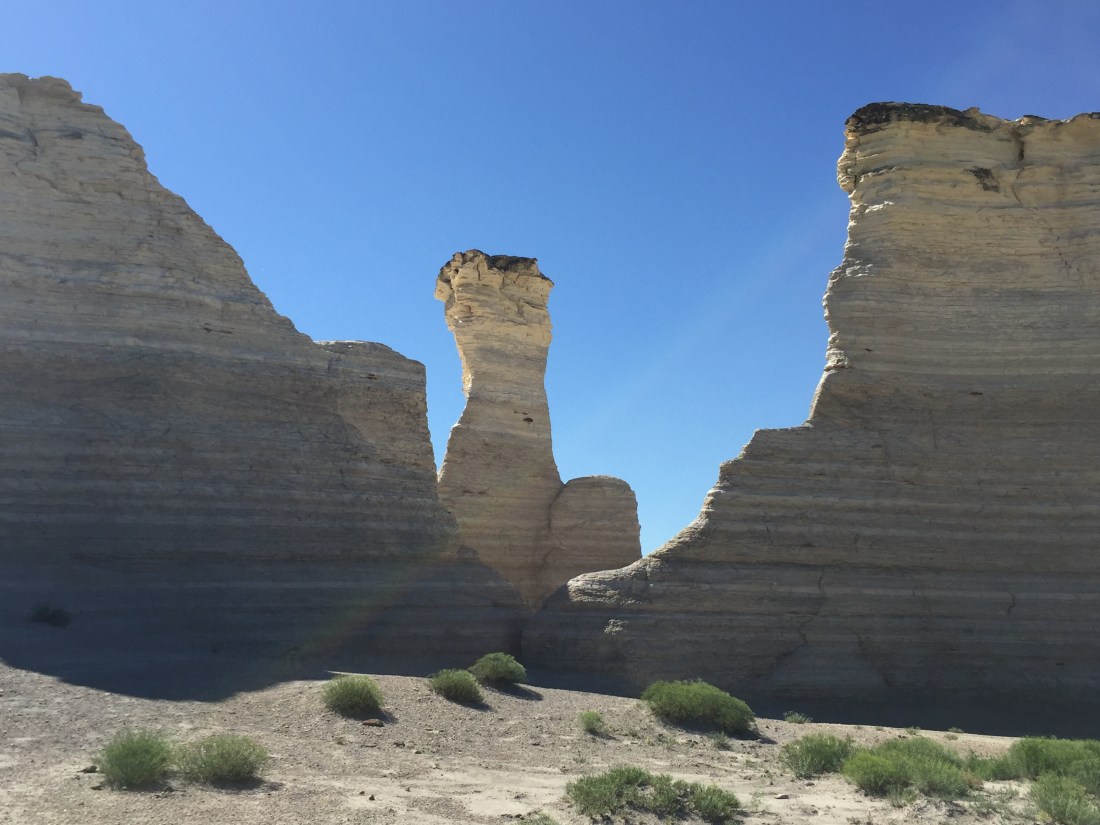
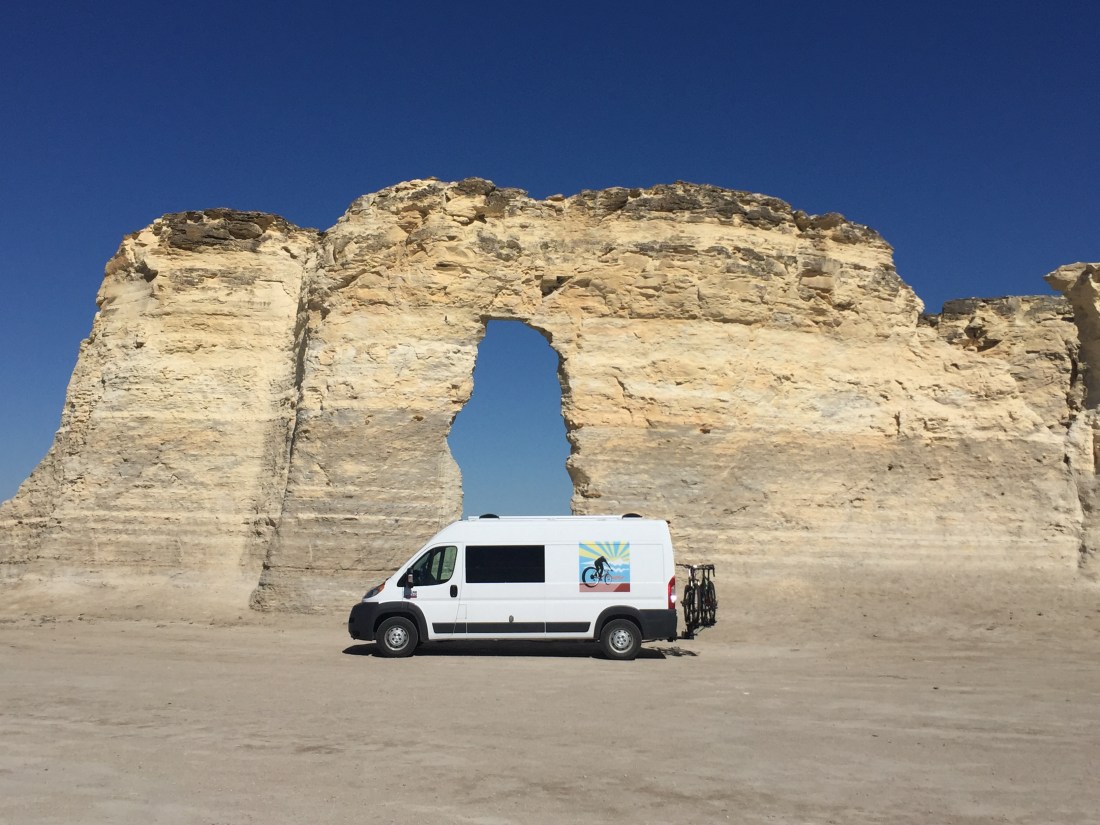
B) Monument Rocks:
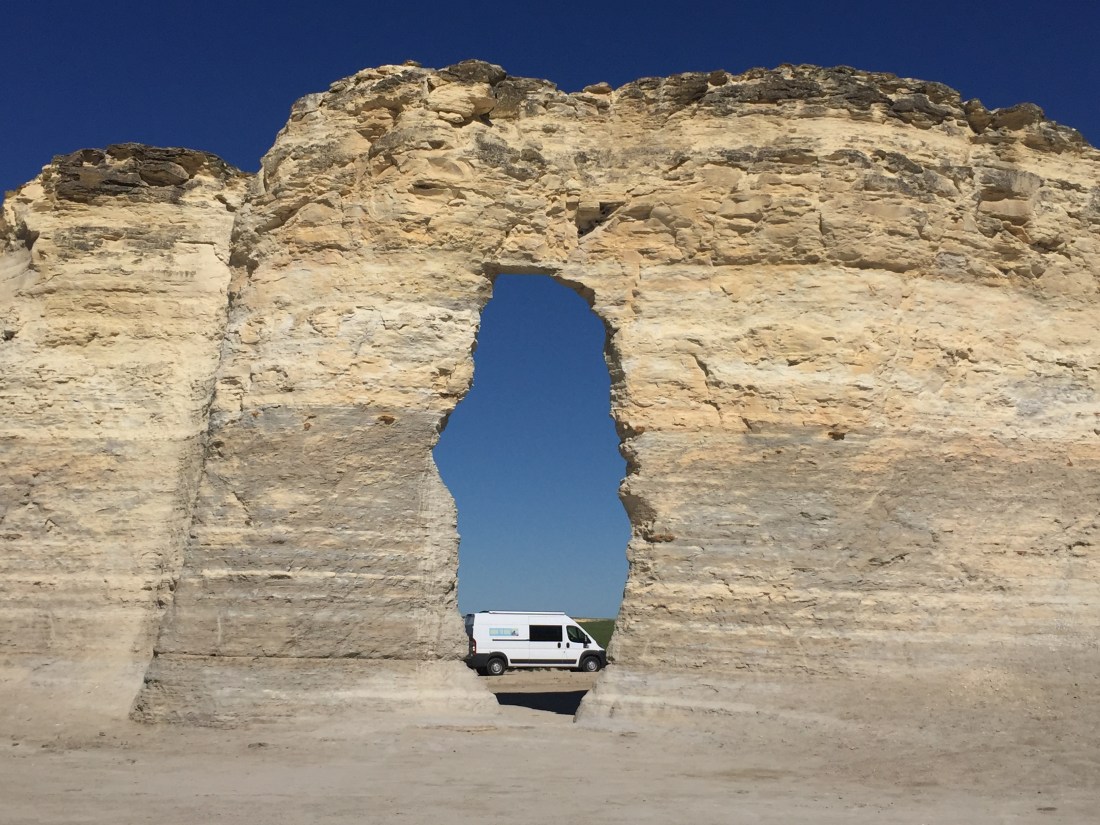
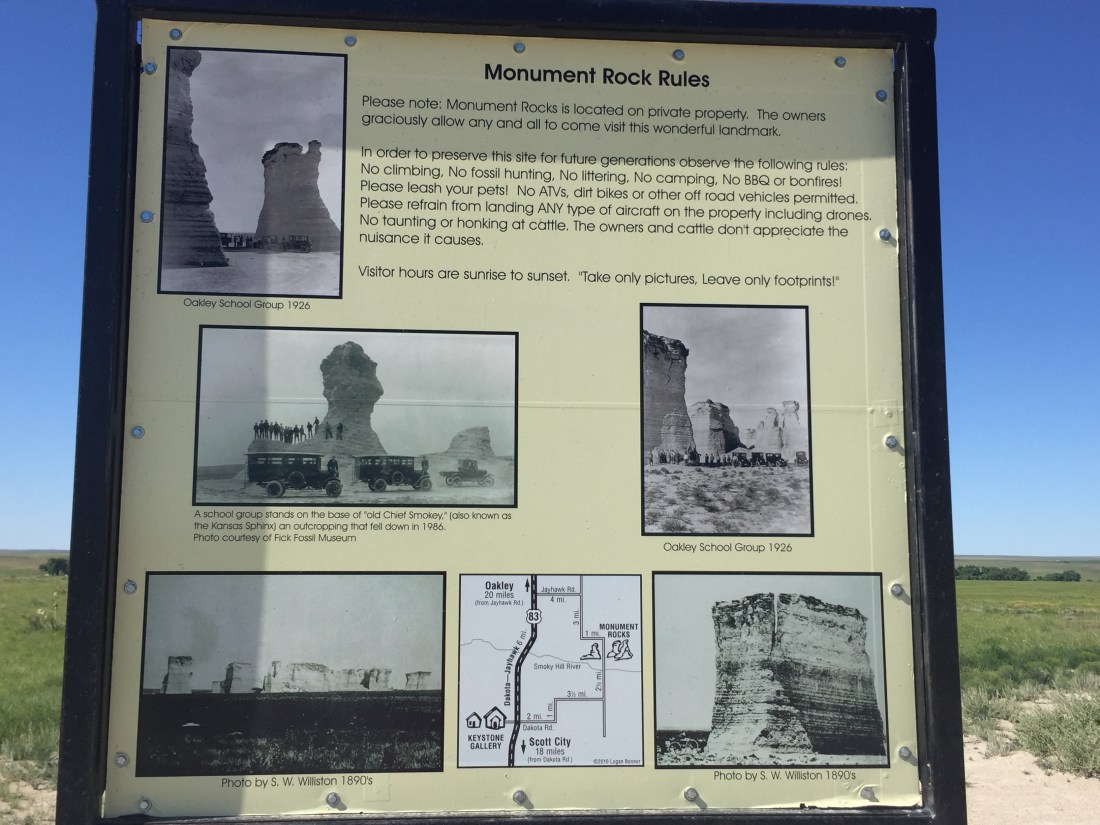
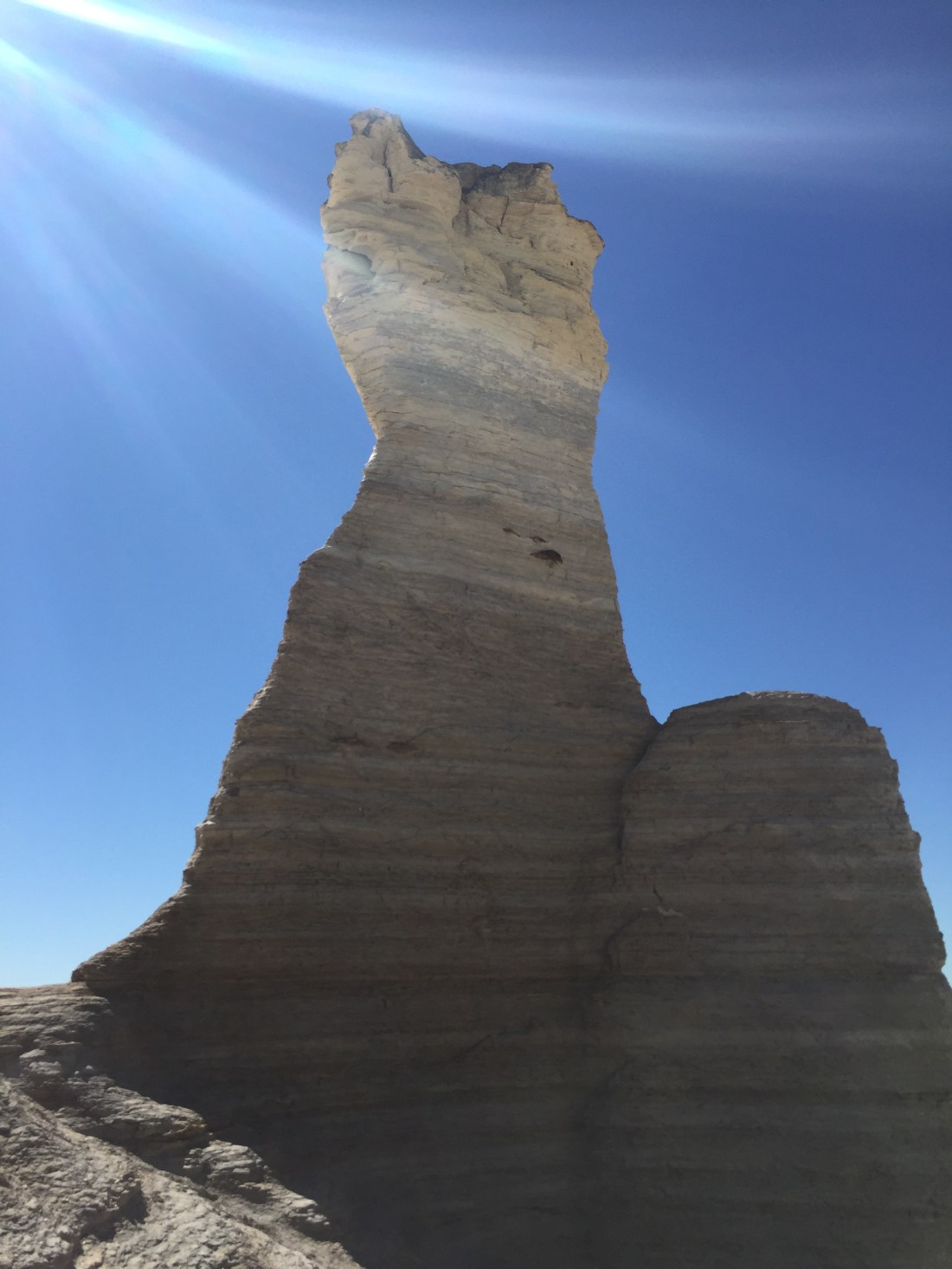
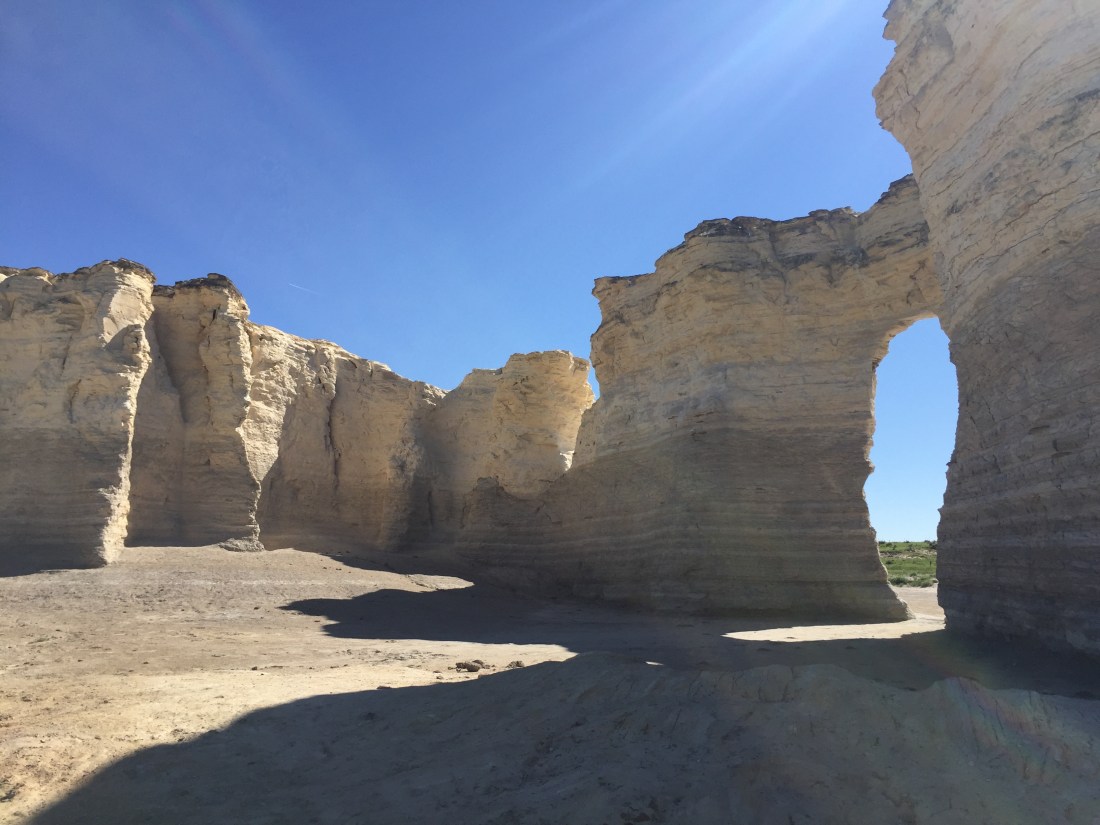
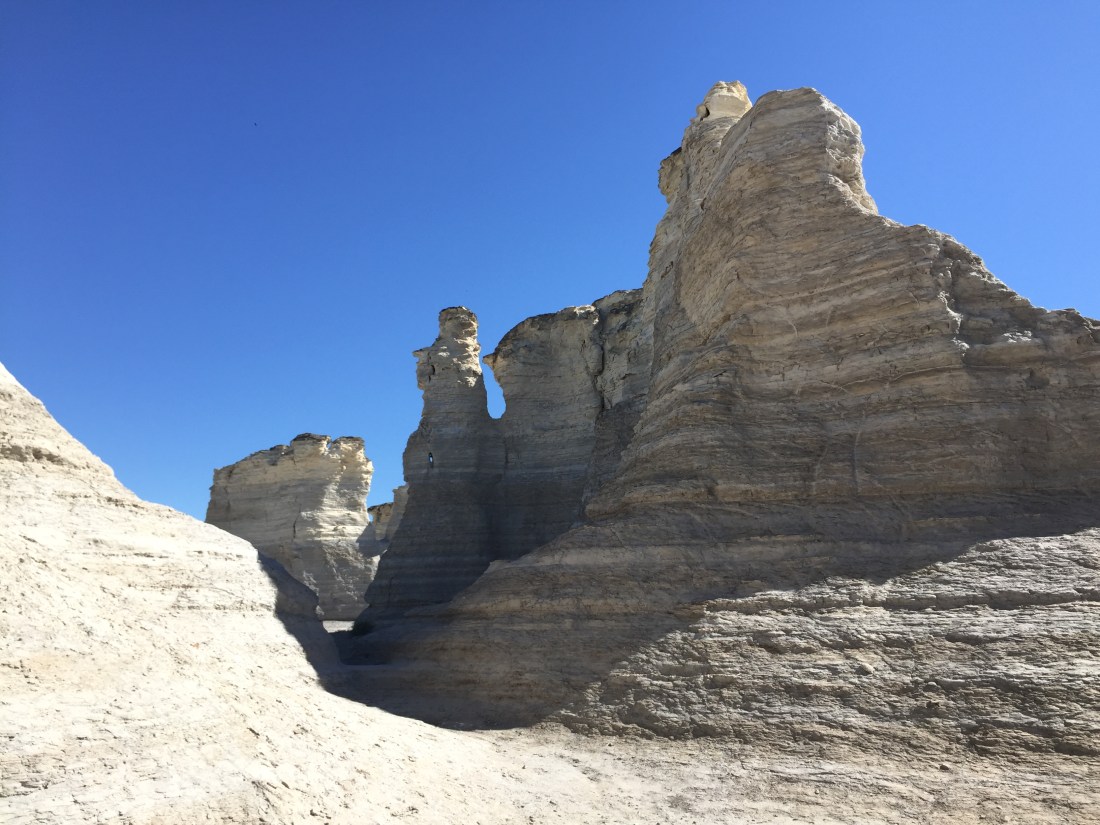
Monument Rocks is the site of the first Natural Landmark in Kansas as designated by the Department of Interior. The limestone formations rise 50 feet above the prairie and are one of the 8 wonders of Kansas. Note, the rocks are reached via dirt roads. I recommend taking the roads when they are dry. Keystone Gallery near the rocks is worth a stop.
The pictures speak for themselves:
C: Cheyenne Bottoms:
Cheyenne Bottoms Wildlife Area is one of the Continent’s busiest flyways for migrating waterfowl and shorebirds, with 357 species.


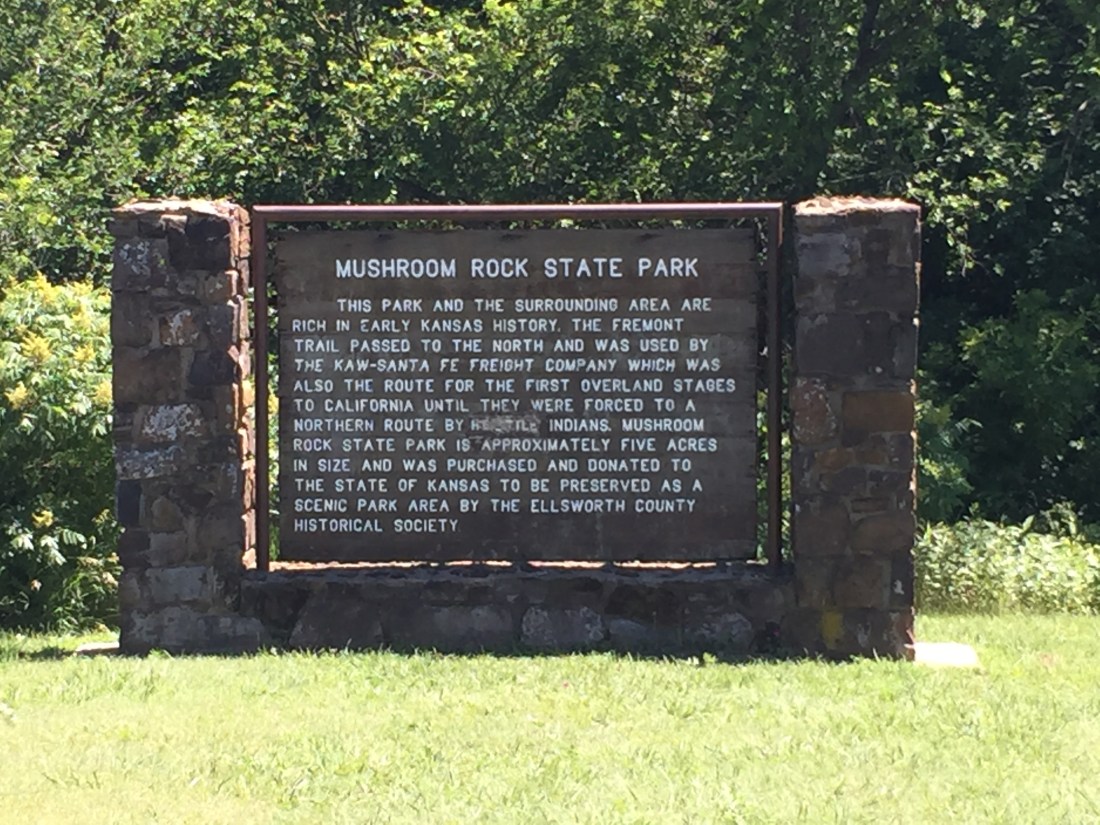
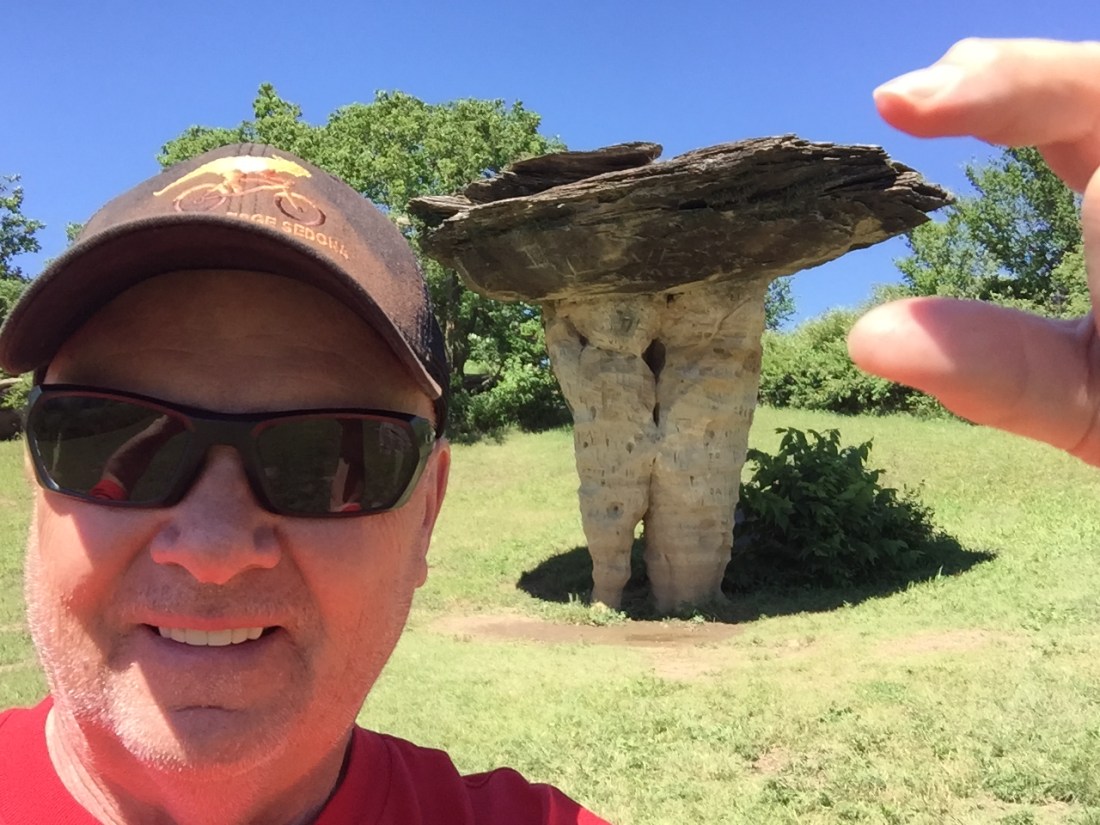
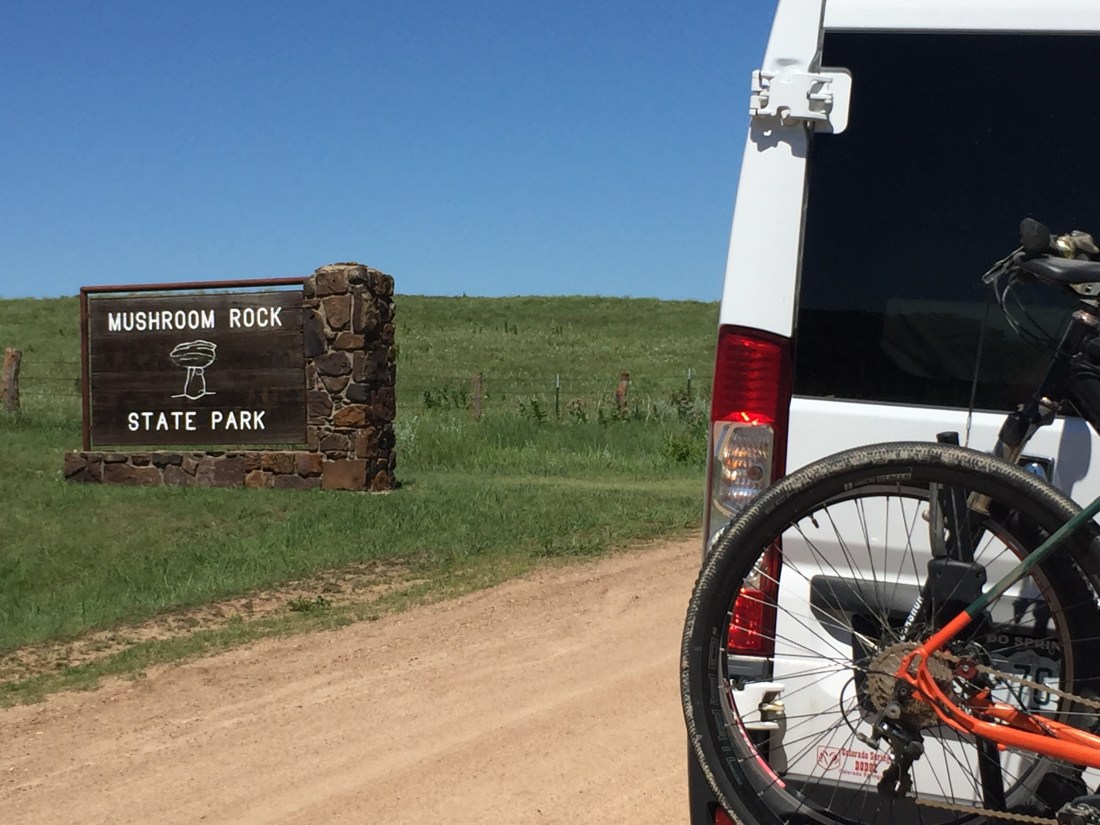
D: Mushroom Rock State Park:
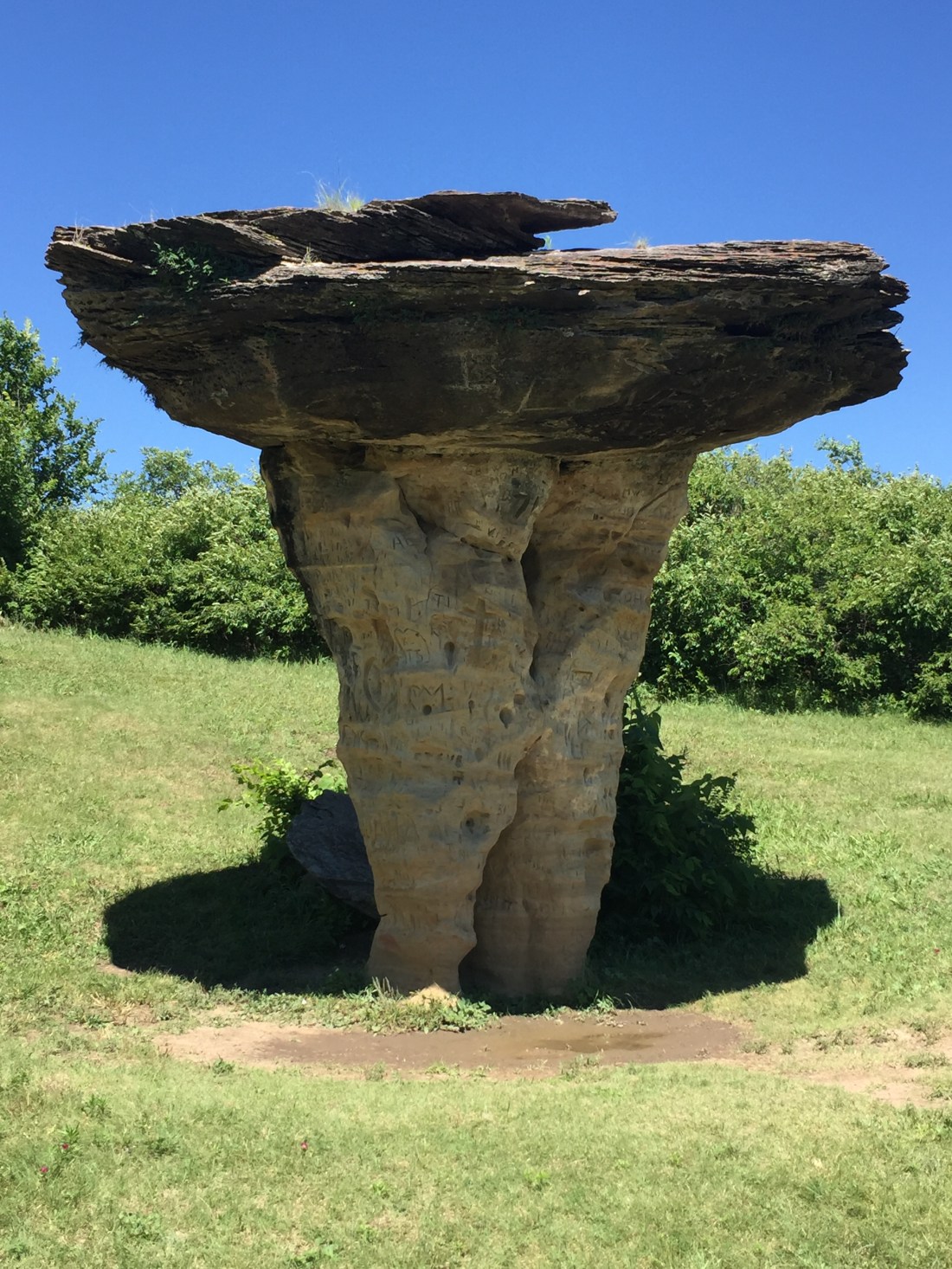
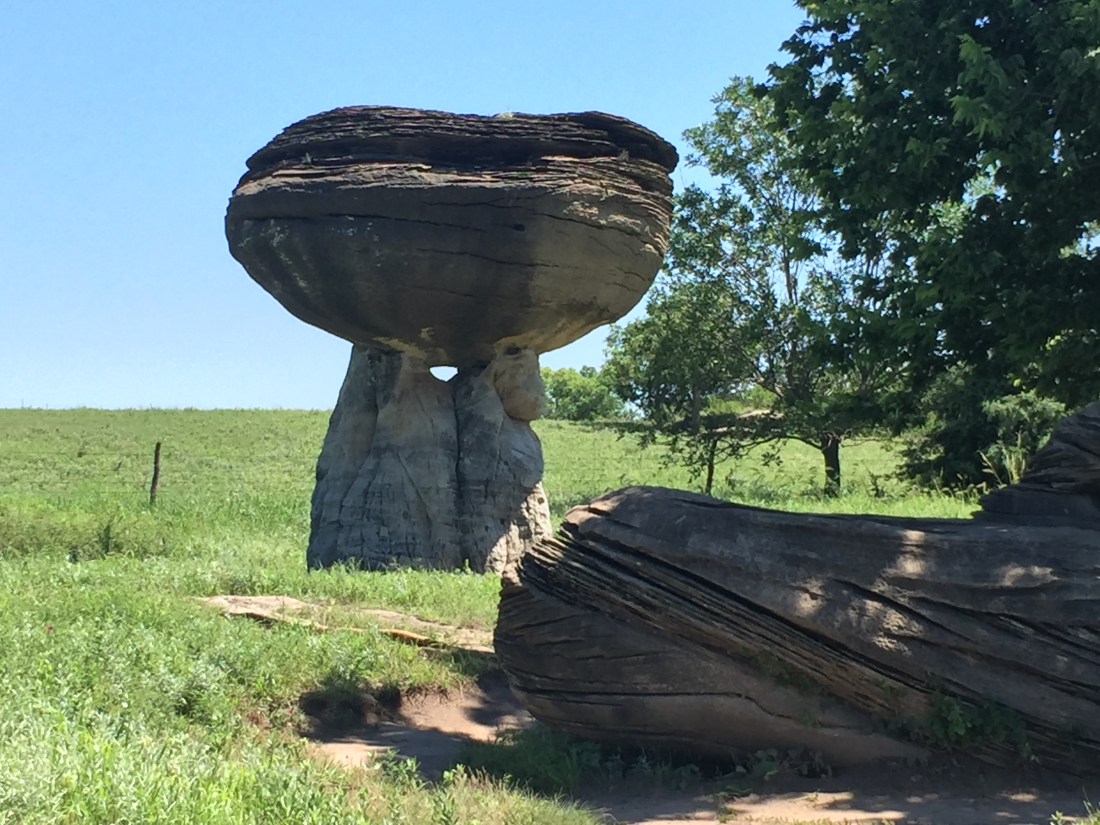
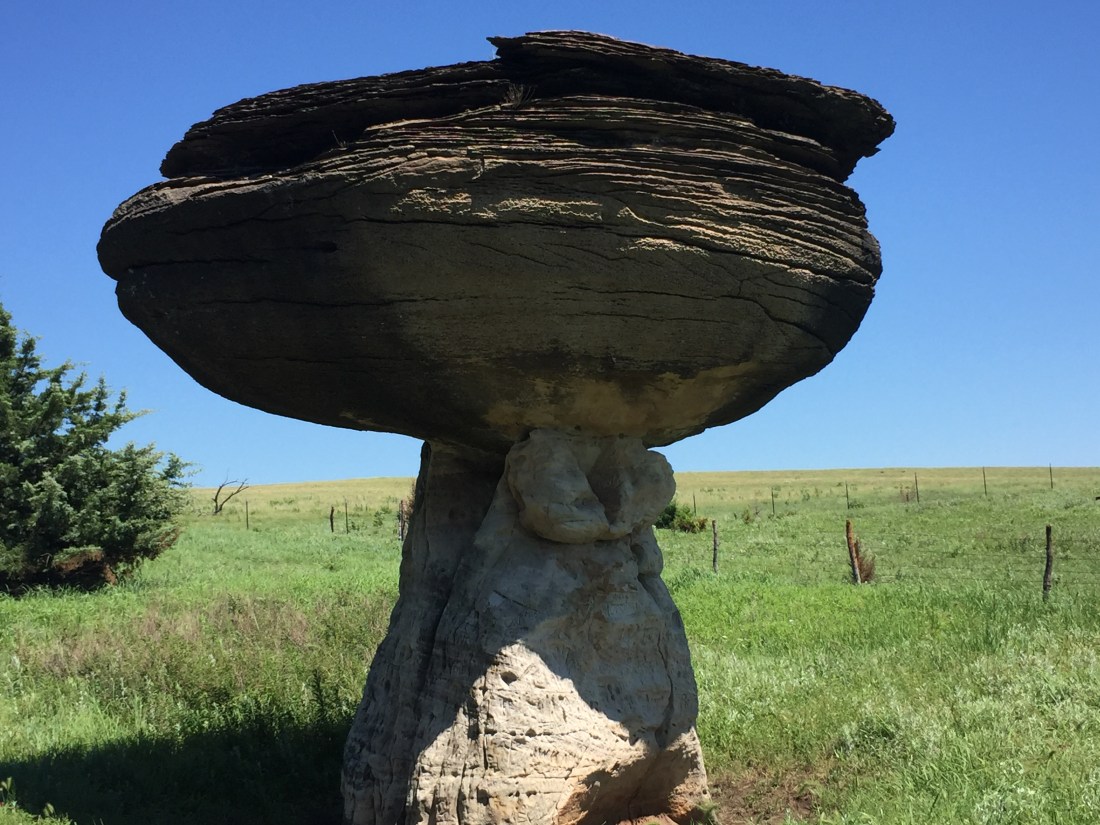
This park is tucked into the Smokey Hills Region of North-Central Kansas. It is one of the 8 Wonders of Kansas Geography. It is a 5 acre park for day-use only. It is a satellite of Kanopolis State Park.
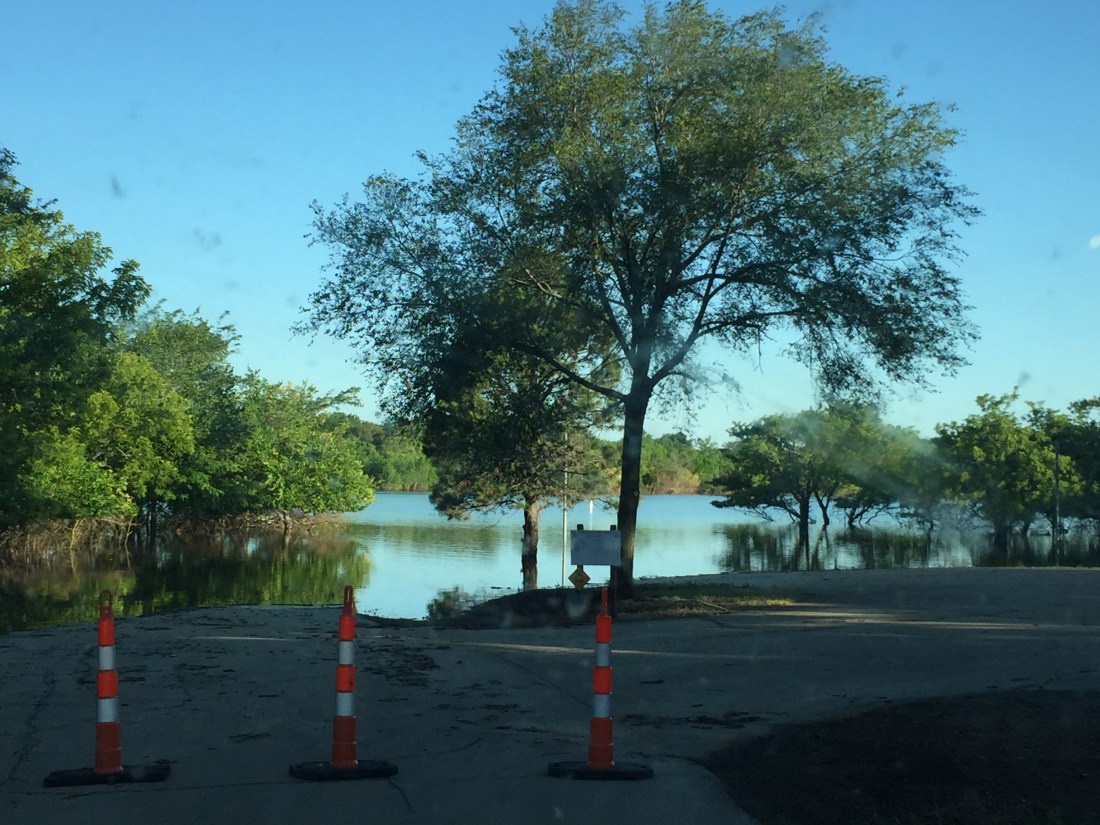
I had reservations to camp at Kanopolis State Park but the park was flooded out during my visit and was closed. The Missouri and Mississippi Rivers were in flood stage. As the Kansas rivers feed into these to drainage’s, the State was holding back as much water as possible via dammed controlled lakes. I ended up staying at Pomona State Park which was open but also flooded.
State Park Flooding:
My back road Kansas visit provided a different perspective to the State. On to Missouri!!
 vantravelusa2